Have you ever walked onto a job site and felt that quiet tension in the air? The kind where everyone knows the work matters, but a single misstep could slow the whole thing down. That feeling is exactly why safety and compliance matter so much in construction.
It's easy to think of safety as a checklist or a box to tick before work starts. In reality, construction safety is a part of every decision, from planning to the final walkthrough. When it's done right, projects move more smoothly, crews stay confident, and problems get handled before they turn into setbacks.
Why safety sets the tone for the entire project
Every construction project starts with momentum. Schedules are tight. Budgets are locked. Teams are ready to move. Safety is what keeps that momentum going.
When a site is organized, well-marked, and properly supervised, people work better. They're not second-guessing hazards or rushing around problems. They know what's expected and how to do their job without unnecessary risk.
In construction, safety isn't just about preventing injuries. It's about protecting timelines, reputations, and relationships.
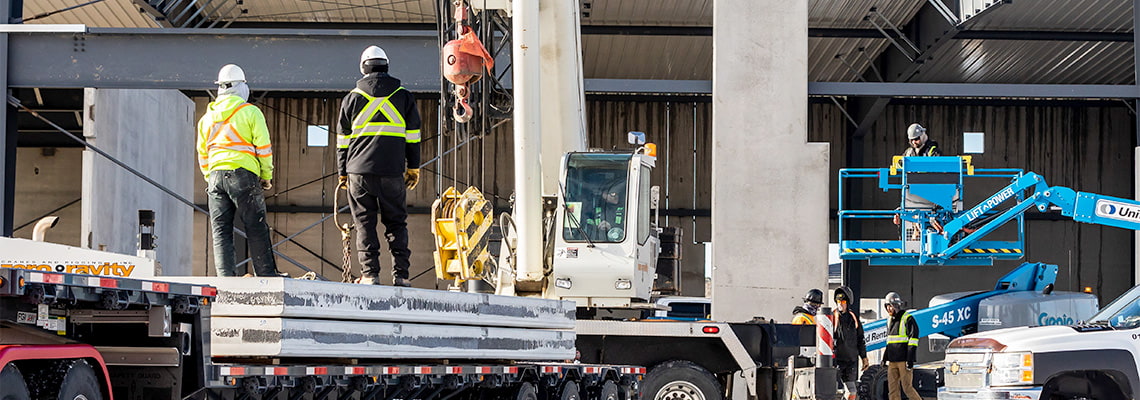
Compliance is not paperwork for the sake of it
Compliance sometimes gets a bad reputation. People picture binders, forms, and inspections that slow things down. But those rules exist for a reason.
Building codes, safety regulations, and inspection requirements create a shared standard. They make sure everyone is working from the same expectations.
When compliance is built into the process early, it actually saves time. Inspections go more smoothly, changes are caught sooner, and there are fewer last-minute surprises that force expensive fixes.
Good construction safety planning treats compliance as part of the build, not something tacked on at the end.
Planning for safety before the first shovel hits the ground
The strongest safety programs start long before crews arrive on site. During planning, risks can be identified and addressed while changes are still easy to make.
That might mean adjusting site access, planning material storage, or sequencing work so trades aren't stacked on top of each other. These decisions don't always show up in photos, but they make a big difference day to day.
When safety planning is proactive, crews can focus on doing quality work instead of working around hazards.
Clear communication keeps everyone aligned
Construction sites bring together a lot of moving parts. Different trades. Different schedules. Different levels of experience.
Safety falls apart when communication breaks down. Clear signage, consistent site meetings, and straightforward expectations help keep everyone on the same page.
The best sites are the ones where people feel comfortable speaking up. If something doesn't look right, it gets addressed quickly. That kind of culture doesn't happen by accident. It's built through leadership and consistency.
Training matters more than most people think
Even experienced crews benefit from regular safety training. Not because they don't know their jobs, but because every site is different.
Construction safety evolves as a project moves forward. New equipment arrives. Layouts shift. Work transitions from one phase to the next. Ongoing training keeps everyone aware of what's changing and how to adapt safely.
It also sends a clear message. We care about you getting home safely at the end of the day.
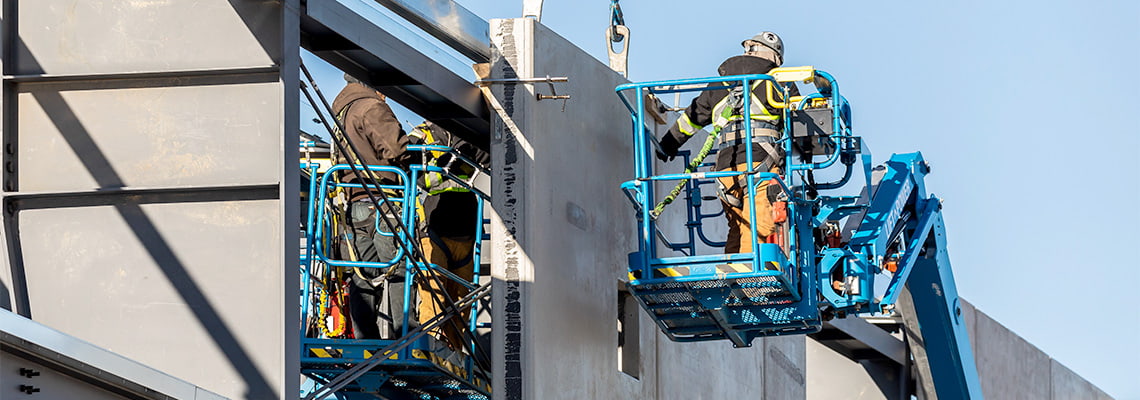
Accountability protects everyone
Training sets the foundation, but accountability keeps it strong.
Safety only works when everyone is in it together. Owners, project managers, supervisors, and crews all play a role. When responsibility is shared, issues get handled quickly and without finger-pointing.
If something goes wrong, the focus isn't on blame. It's solving the problem and making sure it doesn't happen again.
That mindset builds trust on a construction site. And when trust is strong, projects move forward instead of getting stuck in conflict.
Cutting corners always costs more
Without training and accountability, shortcuts become tempting.
It can feel faster to rush a step or overlook a detail to save time or stretch a budget. But in construction, shortcuts rarely stay small.
One injury, failed inspection, or stop-work order can disrupt an entire project. Timelines shift. Equipment gets damaged. Costs rise. Years of hard-earned reputation can be affected by a single preventable mistake.
Strong construction safety practices protect more than just the crew. They protect the investment, the schedule, and the long-term credibility of the company behind the build.
In the end, doing it right the first time is always the more affordable choice.
Building confidence through safe sites
There's something noticeable about a well-run site. It feels calm, even when things are busy. Crews know where they're supposed to be. Visitors feel confident walking through. Progress is steady.
That confidence comes from safety and compliance done right. Not flashy. Not complicated. Just thoughtful, consistent work.
Final thoughts
Safety and compliance aren't obstacles in construction. They're the foundation that supports everything else.
When projects prioritize safety from the start, they tend to finish stronger. Crews stay focused, timelines stay intact, and everyone involved can take pride in the work without worrying about what was overlooked.
If you're planning a project, ask how safety is being handled before anything else. It's one of the clearest signs you're working with a team that takes the job seriously.
FAQs
Why is construction safety so important?
Construction safety protects workers, keeps projects on schedule, and helps avoid costly delays or legal issues.
Who is responsible for safety on a construction site?
Safety is a shared responsibility between owners, project managers, supervisors, and every worker on site.
Does compliance slow down construction projects?
When planned early, compliance usually helps projects move faster by reducing rework, failed inspections, and last-minute changes.
How can safety be improved on construction sites?
Clear planning, ongoing training, open communication, and strong leadership all play a role in creating safer job sites.