Commercial Construction Trends to Watch in 2026
If you've been around job sites long enough, you can feel when things start to shift. Different questions in meetings. New priorities creeping into designs. Owners asking not just what it will cost, but how it will perform five or ten years down the road. That's where commercial construction is heading in 2026.
The industry isn't flipping upside down, but it is getting smarter. More intentional. And honestly, more realistic about what businesses actually need.
Here are the commercial construction trends that are shaping the year ahead.
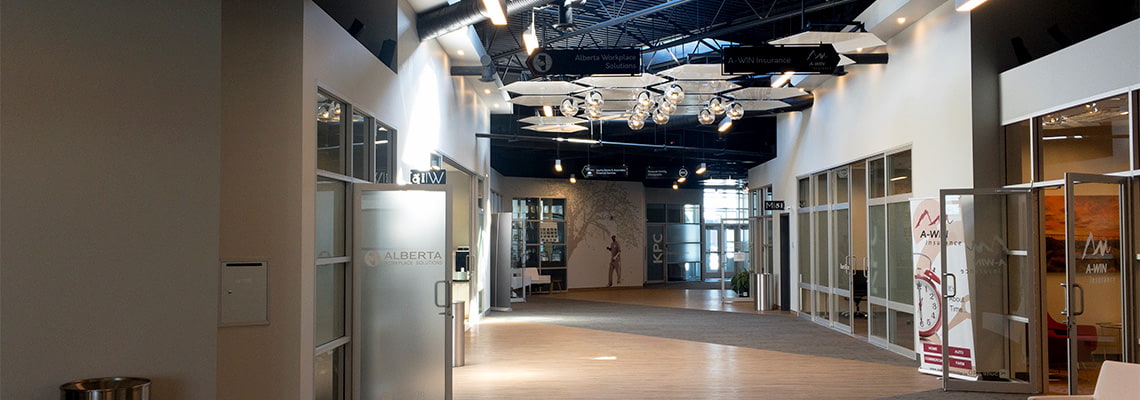
Smarter Buildings, Not Just Bigger Ones
For a long time, growth meant more square footage. Bigger warehouses. Larger facilities. More space, just in case.
In 2026, the focus is shifting toward a smarter use of space. Owners want buildings that work harder, not just look impressive from the road. Flexible layouts, clear-span interiors, and designs that adapt to changing operations are becoming the norm.
Think buildings that can handle new equipment, different workflows, or future expansion without major rework. Planning ahead is no longer a bonus. It's expected.
Speed and Predictability Matter More Than Ever
Timelines are under the microscope. Delays cost money, strain relationships, and throw off entire operations. That's why commercial construction methods that offer more predictability are gaining traction.
Pre-planned systems, better coordination, and early decision-making are helping projects move faster with fewer surprises. Owners want clearer schedules and more confidence that the numbers they approve at the start will still make sense at the end.
It's less about rushing and more about removing friction.
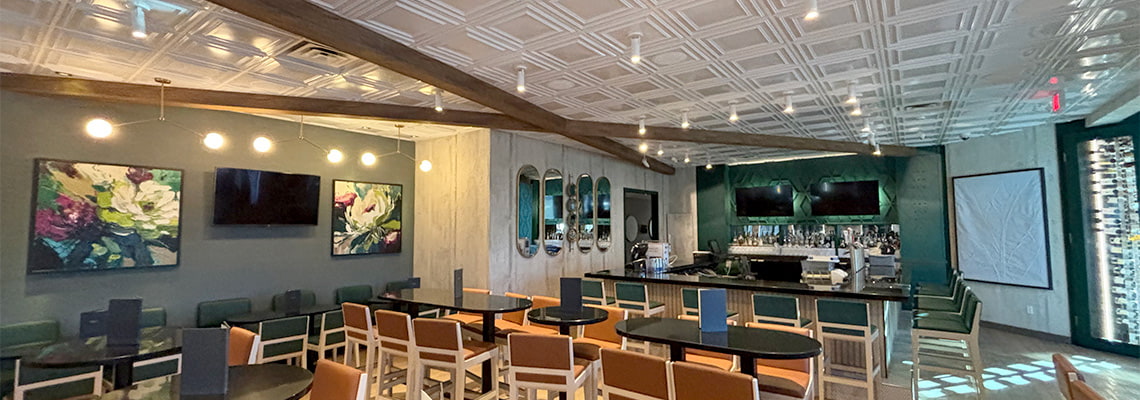
Practical Design Over Flashy Features
There's a quiet shift happening away from over-designed spaces that look great on paper but fall short in daily use.
In 2026, commercial construction is leaning toward practical design. Durable materials. Simple details. Systems that are easy to maintain and repair.
That doesn't mean buildings are boring. It means they are built with purpose. Offices that function well for real people. Industrial spaces that support workflow instead of fighting it. Clean lines, thoughtful layouts, and finishes that age well.
Energy Efficiency with a Business Case Behind It
Energy efficiency isn't new, but the conversation around it is changing.
Instead of chasing trends, owners are asking practical questions. Will this lower operating costs? Will it make the building more attractive to tenants? Will it hold its value longer?
Commercial construction projects in 2026 are expected to include energy-efficient systems that make financial sense. Better insulation. Smarter mechanical systems. Designs that reduce long-term expenses without overcomplicating the build.
When efficiency supports the bottom line, it sticks.
Early Collaboration is Becoming Standard
One of the biggest shifts isn't about materials or layouts. It's about how projects start.
More owners are bringing builders, designers, and consultants into the conversation earlier. That early collaboration helps identify risks, align budgets, and avoid last-minute changes that derail projects.
Commercial construction works best when everyone is on the same page from the beginning. In 2026, that approach is less of a trend and more of a requirement.
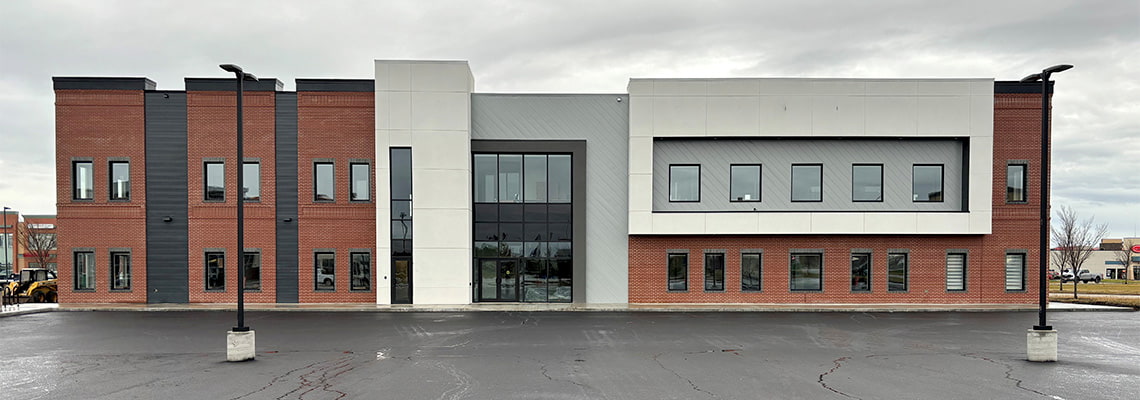
Fewer Assumptions, More Clarity
There's less tolerance for guesswork now. Owners want clarity around costs, timelines, and scope. Builders are responding with better planning, clearer communication, and more transparency throughout the process.
That clarity builds trust. And trust is becoming one of the most valuable assets on a commercial project.
How SWMW Is Already Putting These Trends into Practice
For us, these trends aren't something we're watching from the sidelines. They're already part of how we build.
When a project starts, we think beyond opening day. Layouts are planned with real workflows in mind, not just drawings that look good on paper. Clear spans, efficient movement, and room to grow are all considered early, because businesses change. With that in mind, we believe that a building should be designed to be able to change with them.
We also put a lot of weight on predictability. Nobody likes surprises once construction is underway. That's why our design build and construction management approach focuses on sorting things out early. Budgets are built using real numbers. Schedules are based on experience, not wishful thinking. Decisions happen upfront, where they're easier and far less expensive to make.
Material and system choices follow the same thinking. We look for options that stand up to our extreme conditions, are easy to maintain, and actually reduce operating costs over time. Flashy features don't matter much if they create headaches later. What matters is a building that works well year after year.
Collaboration ties it all together. Our design and construction teams work closely from the start, so that vision, budget, and execution stay aligned. When everyone is on the same page early, problems get handled before they grow legs. Timelines stay tighter. Costs stay under control.
At the end of the day, clients want clarity. They want a partner who plans ahead and speaks honestly. Working with SWMW means that you're not chasing trends after the fact. You're building with a team that's already thinking about what comes next, and making sure your project is ready for it.
What This Means if You're Planning a Project
If you're considering a commercial construction project in 2026, the biggest takeaway is this. The best results come from thoughtful planning and realistic expectations.
Projects that succeed are the ones designed around real needs, built with flexibility in mind, and guided by teams that value communication as much as craftsmanship.
It's not about chasing every new idea. It's about choosing the right ones.
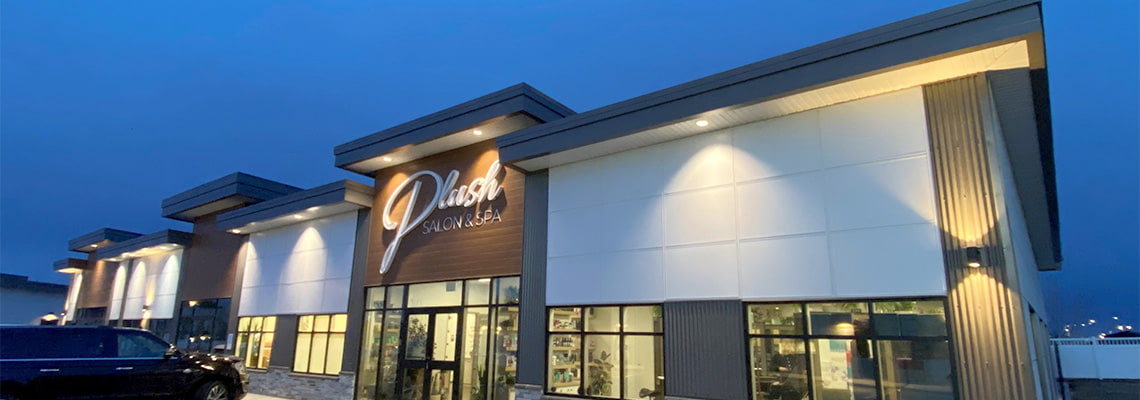
Final Thoughts
Commercial construction in 2026 is about balance. Speed without shortcuts. Efficiency without complexity. Design that serves a purpose.
If you're starting to plan your next build, now is the time to ask the right questions and work with a team that understands where the industry is headed.
Good buildings don't just support business. They help it grow.
FAQs
What is changing most in commercial construction for 2026?
The biggest changes are a focus on smarter design, faster timelines, and clearer planning from the start of a project.
Is commercial construction becoming more expensive?
Costs are still a factor, but better planning and efficient building methods are helping control budgets and reduce surprises.
Are flexible building designs really worth it?
Yes. Flexible layouts allow businesses to adapt without major renovations, which can save time and money long-term.
When should a builder be involved in a commercial project?
As early as possible. Early involvement helps align budgets, timelines, and design decisions before construction begins.